Leaks. Drafts. Mold creeping up your bathroom grout. You’ve patched, painted, and prayed—but the problem keeps returning. That’s because most DIYers and even some pros ignore the silent hero of structural integrity: caulk. And here’s the truth—what is caulk in construction isn’t just “glue for gaps.” It’s a precision-engineered barrier that, when chosen wrong or applied poorly, turns minor flaws into major liabilities.
Why Most Caulking Jobs Fail Within Months
Contractors rush it. Homeowners grab whatever’s cheapest at the hardware store. Both assume “sealant is sealant.” Dead wrong.
Caulk isn’t paint—it doesn’t forgive sloppiness. Apply silicone where acrylic should go? It’ll peel off tile like old wallpaper. Use interior-grade polyurethane on an exterior window frame? Rain will wash it out before winter hits. The failure isn’t user error—it’s using tools without understanding their physics.
And temperature matters more than you think. Apply below 40°F? Most formulas won’t cure properly—leaving a sticky, dust-trapping mess instead of a flexible seal.
What Is Caulk in Construction: A Practical Application Guide
Selecting the Right Type for Your Job
Not all caulk is created equal. Acrylic works indoors for drywall and trim. Silicone dominates wet zones—tubs, sinks, gutters—because it repels water like a duck’s back. Polyurethane? Heavy-duty. For concrete expansion joints or roofing seams where movement exceeds 25%.

The Tool Matters More Than You Think
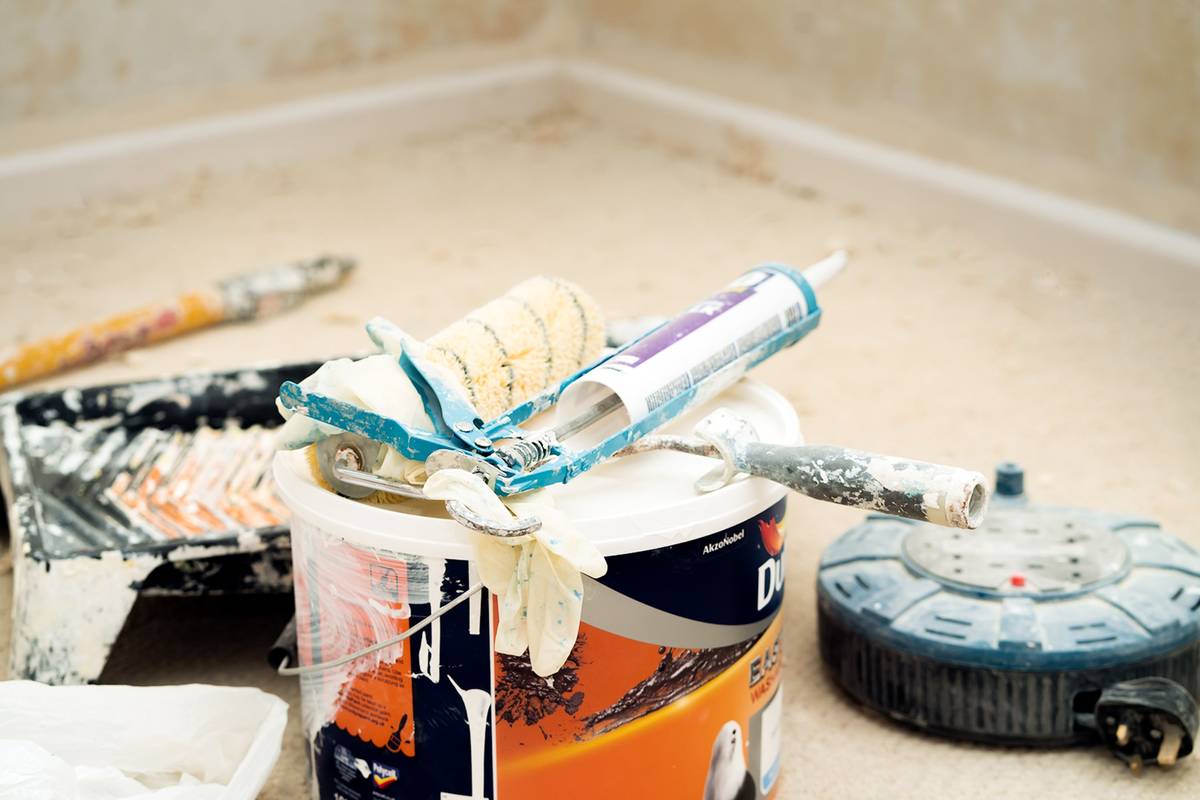
A $5 caulk gun leaks pressure, causes hand fatigue, and delivers inconsistent beads. Pros use ratchet-rod guns with 10:1 thrust ratios—they cut waste by 30% and give surgical control. Skip the dollar-store squeeze tubes entirely.
Surface Prep: The Non-Negotiable Step
Clean. Dry. Roughened slightly if glossy. If there’s old caulk, scrape it to bare substrate—no exceptions. Moisture or dust under new caulk = instant bond failure. Period.
| Caulk Type | Best For | Curing Time | Flexibility (±%) | Cost per Tube (Avg.) |
|---|---|---|---|---|
| Acrylic Latex | Interior trim, drywall, non-wet areas | 1–2 hours | ±5% | $3–$6 |
| Silicone | Bathrooms, kitchens, windows (exterior) | 24 hours | ±50% | $6–$12 |
| Polyurethane | Foundations, roofing, concrete joints | 7 days (full cure) | ±25% | $8–$15 |

The Industry Secret: Caulk as a Diagnostic Tool
Here’s something contractors won’t advertise: how caulk fails tells you what’s really wrong with a structure. If silicone peels from a shower wall within weeks, it’s not adhesion—it’s substrate movement. Cracks mean the framing shifted. Gaps reopening? Foundation settling. Smart builders treat caulk like a canary in the coal mine. They document bead integrity during inspections—not just to check seals, but to catch hidden structural drift before it becomes catastrophic. The math is simple: monitoring caulk costs pennies; ignoring it costs thousands in callbacks.
Frequently Asked Questions
Is caulk the same as sealant?
No. “Caulk” usually refers to rigid or semi-rigid compounds for interior/static joints. “Sealant” describes highly flexible products (like silicone) used where movement occurs. In practice, the terms overlap—but performance specs don’t lie.
How long does caulk last in construction?
Interior acrylic: 5–10 years. Exterior silicone: 15–20 years. But UV exposure, joint width, and substrate movement drastically shorten lifespan. Inspect every 24 months.
Can you paint over construction caulk?
Only if it’s paintable acrylic or specific hybrid polymers. Never paint 100% silicone—it repels coatings. Always check the label. When in doubt, test a small bead first.