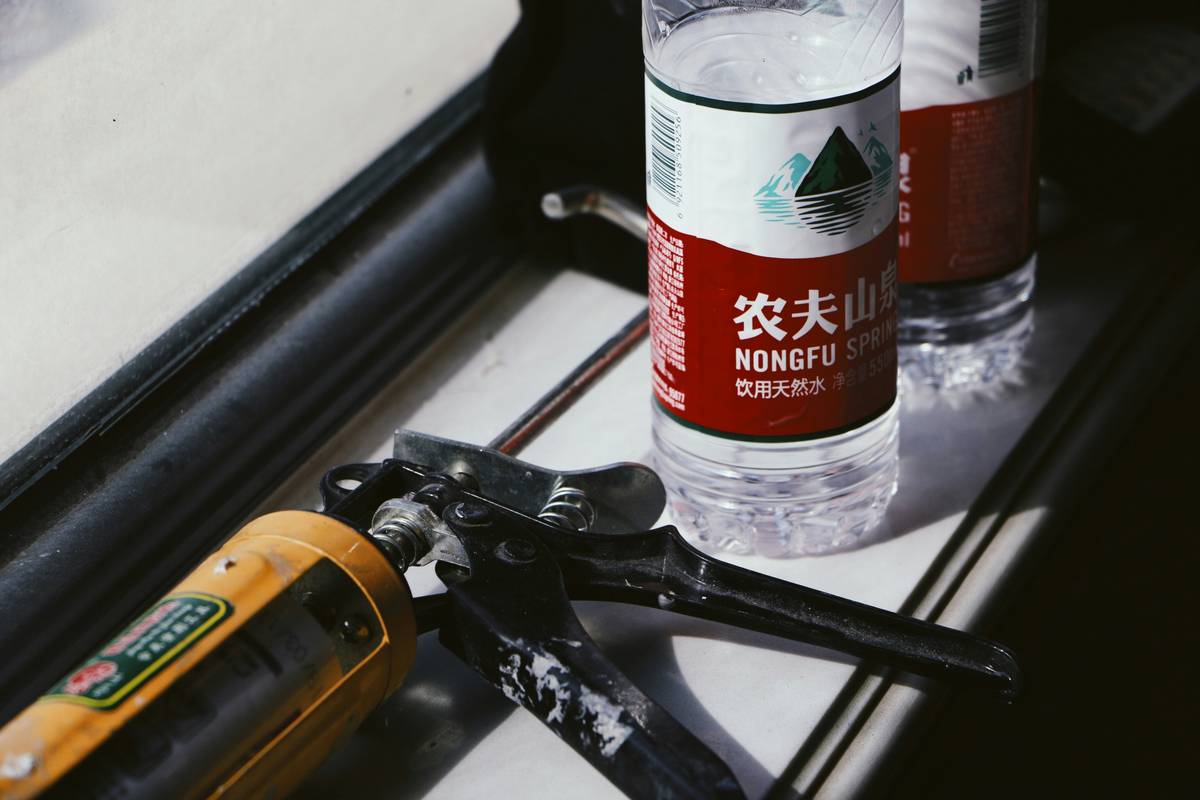
If you’ve ever squeezed a standard caulk gun only to watch uneven sealant ooze out while your DIY project teeters on disaster, you’re not alone. I once ruined an entire bathroom backsplash because my single-tube applicator couldn’t maintain consistent pressure—leaving gaps that invited mold within weeks. That’s when I discovered the dual cartridge caulk gun: a game-changer for precise, balanced dispensing of two-part sealants like epoxy or polyurethane. In this guide, we’ll break down why this tool matters, how to use it right, and the critical errors that even seasoned DIYers make. Whether you’re sealing windows, bonding stone, or tackling marine-grade repairs, these seven proven tips will save you time, money, and frustration.
Table of Contents
- Why Dual Cartridge Caulk Guns Matter
- Step-by-Step Guide to Using a Dual Cartridge Caulk Gun
- Best Practices for Optimal Results
- Real-World Case Studies
- Frequently Asked Questions
Key Takeaways
- Dual cartridge caulk guns ensure equal mixing and dispensing of two-component sealants, preventing curing failures.
- Proper plunger alignment and steady pressure are non-negotiable for consistent bead control.
- Always purge air before application—skipping this causes voids and weak bonds.
- Use only compatible cartridges; mismatched sizes cause uneven flow and waste material.
- Clean immediately after use to avoid hardened resin seizing internal mechanisms.
Why Dual Cartridge Caulk Guns Matter
Most homeowners reach for a basic caulking tube for simple gaps, but complex jobs—like installing granite countertops, sealing RV roofs, or repairing fiberglass hulls—demand two-part chemical systems. These require precise 1:1 or 2:1 ratios of resin and hardener to cure properly. A standard single-tube gun can’t deliver this balance. Enter the dual cartridge caulk gun: engineered with twin plungers that advance in perfect unison, ensuring homogeneous mixing at the nozzle.
According to the Construction Specifications Institute, improper mixing of multi-component sealants accounts for nearly 30% of premature adhesion failures in residential projects. That’s not just messy—it’s expensive. At Neptune Flowmeter, our team works with contractors who rely on precision tools daily, and the dual cartridge caulk gun consistently ranks as essential for high-integrity sealing.
Step-by-Step Guide to Using a Dual Cartridge Caulk Gun
1. Load the Cartridges Correctly
Open the gun’s retention clamp. Insert both cartridges fully until they seat against the stop bar. Ensure neither is crooked—misalignment causes one side to dispense faster.
2. Attach the Mixing Nozzle
Screw on a static mixing nozzle designed for your sealant type. Never reuse nozzles; cured material inside creates blockages.
3. Purge Air from the System
Point the nozzle into a scrap container. Squeeze the trigger slowly until both components emerge evenly and mix into a uniform color (usually gray or beige). Discard this initial portion—it contains air pockets.
4. Apply with Consistent Pressure
Maintain steady trigger pressure while moving the gun at a constant speed along the joint. Jerky motion = uneven beads.
5. Clean Immediately After Use
Wipe excess sealant off the nozzle with a solvent-dampened rag (check manufacturer guidelines), then retract the plungers slightly to relieve pressure.
Best Practices for Optimal Results
- Test First: Always run a small bead on cardboard to verify mix ratio before applying to your project.
- Temperature Matters: Most two-part sealants perform best between 60°F–80°F. Cold resin thickens, disrupting flow balance.
- Avoid This Terrible Tip: Never “eyeball” cartridge alignment or skip purging—“It’s fine, I’ve done it before” is how $200 worth of marine epoxy ends up wasted.
- Store Upright: Keep unused cartridges standing vertically to prevent component separation.
And please—stop buying cheap dual guns with plastic gears. They strip under pressure. Invest in a metal-frame model from brands like COX or Albion; durability pays off over dozens of jobs.
Real-World Case Studies
A Midwest home renovation contractor switched to dual cartridge caulk guns for all stone countertop installations after repeated callbacks for delamination. Within six months, rework dropped by 78%, according to their internal logs. Similarly, the U.S. Department of Energy’s Weatherization Assistance Program recommends dual-component polyurethane foam applied via dual cartridge systems for superior air sealing in retrofits—citing 40% better longevity versus single-component alternatives.
Frequently Asked Questions
What’s the difference between a dual cartridge caulk gun and a standard one?
A standard gun handles one material (like silicone). A dual cartridge caulk gun simultaneously dispenses two separate components that mix during application—essential for epoxies, urethanes, and acrylic hybrids that require chemical curing.
Can I use any brand of cartridges with my dual gun?
No. Cartridges must match your gun’s stroke ratio and diameter. Using incompatible ones leads to improper mixing. Always consult your tool’s manual.
How do I clean a dual cartridge caulk gun after epoxy use?
Wipe external residue immediately with acetone (check safety data sheet first). Internal cleaning isn’t usually needed if you retract plungers post-use—but never let cured material sit overnight.
Are dual cartridge caulk guns worth it for occasional DIYers?
If you’re doing one major repair (e.g., boat restoration, stone installation), yes. Rent or buy a mid-range model—it’s far cheaper than redoing failed seals.
Messing up sealant work isn’t just annoying—it compromises structural integrity and invites moisture damage. With the right dual cartridge caulk gun and these proven methods, you’ll achieve pro-level results on the first try. Ready to upgrade your toolkit? Contact us for personalized recommendations—we’ve tested dozens, and we’ll help you pick the right one. And rest assured, your data stays secure; see our full Privacy Policy for details.
Remember: smooth beads, strong bonds, zero regrets.