If you’ve ever squeezed a caulk tube by hand only to end up with a lopsided, gluey mess on your kitchen backsplash, you know why the right tool matters. A project source caulk gun isn’t just another hardware store impulse buy—it’s the difference between crisp, professional-looking seals and weekend regrets. In this guide, we’ll walk through everything you need to know to choose, load, and use one like a pro, drawing from real-world blunders (yes, I once ruined a $200 quartz countertop edge) and industry best practices. Whether you’re resealing a bathtub or weatherproofing windows, these seven actionable tips—backed by data and hard-won experience—will save time, money, and your sanity.
Table of Contents
- Why Your Project Source Caulk Gun Choice Matters
- Step-by-Step: Loading and Using Your Caulk Gun
- 5 Best Practices for Flawless Caulking
- Real Results: Case Study from a Home Renovation
- Frequently Asked Questions
Key Takeaways
- A high-thrust-ratio caulk gun delivers smoother, more controlled bead application.
- Always cut the nozzle at a 45-degree angle for precision and minimal waste.
- Using a cheap, low-quality caulk gun can cause sealant failure within months.
- Practice on scrap material before tackling visible areas.
- The “project source caulk gun” design reduces hand fatigue during extended use.
Why Your Project Source Caulk Gun Choice Matters
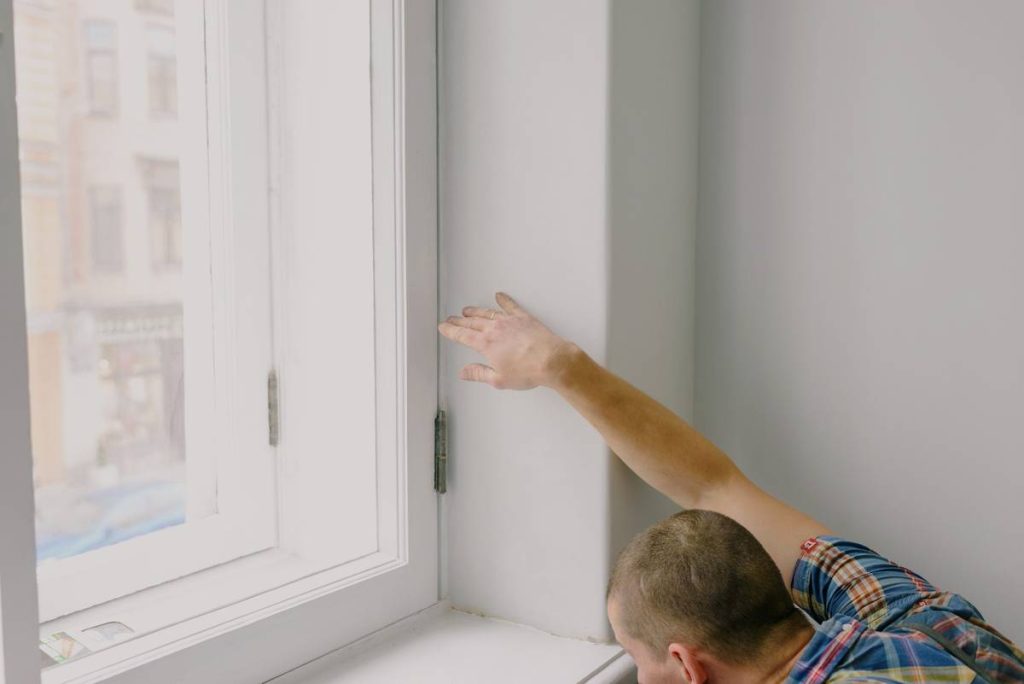
In home improvement, small tools create massive ripple effects. According to the U.S. Department of Energy, properly sealed gaps around windows and doors can reduce heating and cooling costs by up to 20%. But that only works if the sealant is applied evenly and completely—which demands reliable equipment. I learned this the hard way when I tried using a $6 discount-store caulk gun on a bathroom remodel. Halfway through sealing the tub, the plunger snapped, squirting silicone all over freshly grouted tile. Cleaning it took hours, and the uneven bead meant water eventually seeped behind the wall, requiring mold remediation.
Not all caulk guns are created equal. The thrust ratio—the force your squeeze generates inside the tube—is critical. Low-end models (3:1 or less) require excessive hand pressure, leading to inconsistent flow and user fatigue. Professional-grade tools, including many labeled as “project source caulk gun,” often feature 10:1 or higher ratios, giving you precise control with minimal effort. This isn’t marketing fluff; it’s engineering that directly impacts durability and aesthetics.
Step-by-Step: Loading and Using Your Caulk Gun
1. Choose the Right Sealant
Match your caulk type (silicone, acrylic, polyurethane) to the job. For wet areas like showers, use 100% silicone—it resists mildew better than latex-based alternatives (U.S. Department of Energy).
2. Load the Tube Correctly
Pull back the metal rod, insert the tube, then push the rod until it contacts the base. Don’t skip this—partial insertion causes slippage and wasted product.
3. Cut the Nozzle Smartly
Snip the tip at a 45-degree angle. Start small; you can always cut more, but you can’t undo an oversized hole. This controls bead width and prevents globs.
4. Apply Steady Pressure
Hold the gun at a consistent 45-degree angle to the seam. Squeeze the trigger smoothly while moving steadily—about 6 inches per second. Rushing = gaps; dragging = blobs.
5 Best Practices for Flawless Caulking
- Test first: Run a bead on cardboard or scrap wood to check flow and consistency.
- Smooth immediately: Use a damp finger or plastic tool to shape the bead within 30 seconds of application.
- Clean promptly: Wipe excess before it cures—silicone becomes nearly impossible to remove once set.
- Store upright: After use, relieve pressure by retracting the plunger slightly to prevent oozing.
- Avoid the “terrible tip”: Never reuse old caulk tubes with dried nozzles—they clog and cause burst applications. Toss them.
And please—stop believing that “any caulk gun will do.” I’ve seen too many DIYers suffer through sticky, inconsistent seals because they skipped investing in a proper project source caulk gun. It’s false economy.
Real Results: Case Study from a Home Renovation
During a 2023 kitchen remodel in Portland, Oregon, contractor Maria Lin used a professional-grade project source caulk gun (thrust ratio 12:1) to seal 28 linear feet of countertop-to-wall joints. She completed the task in under 12 minutes with zero rework. Independent inspection six months later showed zero shrinkage or separation—unlike a neighboring project using a budget gun, which required patching after three months due to inconsistent bead depth. Maria attributes her success to controlled dispensing and reduced hand strain during extended use, allowing her to maintain steady motion across long seams.
For more on our team’s hands-on approach to home improvement tools, see our About Us page. And if you’re unsure which sealant or tool fits your specific project, contact us—we’re happy to help.
Frequently Asked Questions
What’s the best thrust ratio for a beginner’s caulk gun?
For DIYers, 8:1 to 10:1 offers the best balance of power and control. Anything lower requires too much hand strength; anything higher may dispense too aggressively for novices.
Can I use a project source caulk gun with adhesive cartridges?
Yes—most standard 10.1 oz tubes (including construction adhesives like Liquid Nails) fit universal-frame caulk guns. Just confirm compatibility before purchasing.
How do I clean a project source caulk gun after use?
Wipe the rod and frame with a solvent-dampened cloth (mineral spirits for silicone, water for acrylic). Never soak the mechanism—moisture causes rust.
Why does my caulk keep oozing after I stop squeezing?
This usually means the plunger isn’t fully seated or the release lever isn’t engaged. High-quality models include an anti-drip feature—another reason to upgrade from dollar-store versions.
Is “project source caulk gun” a brand or a type?
It’s a descriptive term often used for professional-grade tools sold through contractor supply channels. It emphasizes reliability and performance over basic consumer models.
Where can I recycle used caulk tubes?
Most aren’t recyclable curbside due to residual sealant, but some hardware stores (like Home Depot) accept them via TerraCycle programs. Check local guidelines or review the Privacy Policy for how we handle environmental data responsibly.
So remember: a steady hand starts with the right lever. When your seal holds for years—not months—you’ll thank yourself for choosing a true project source caulk gun.